
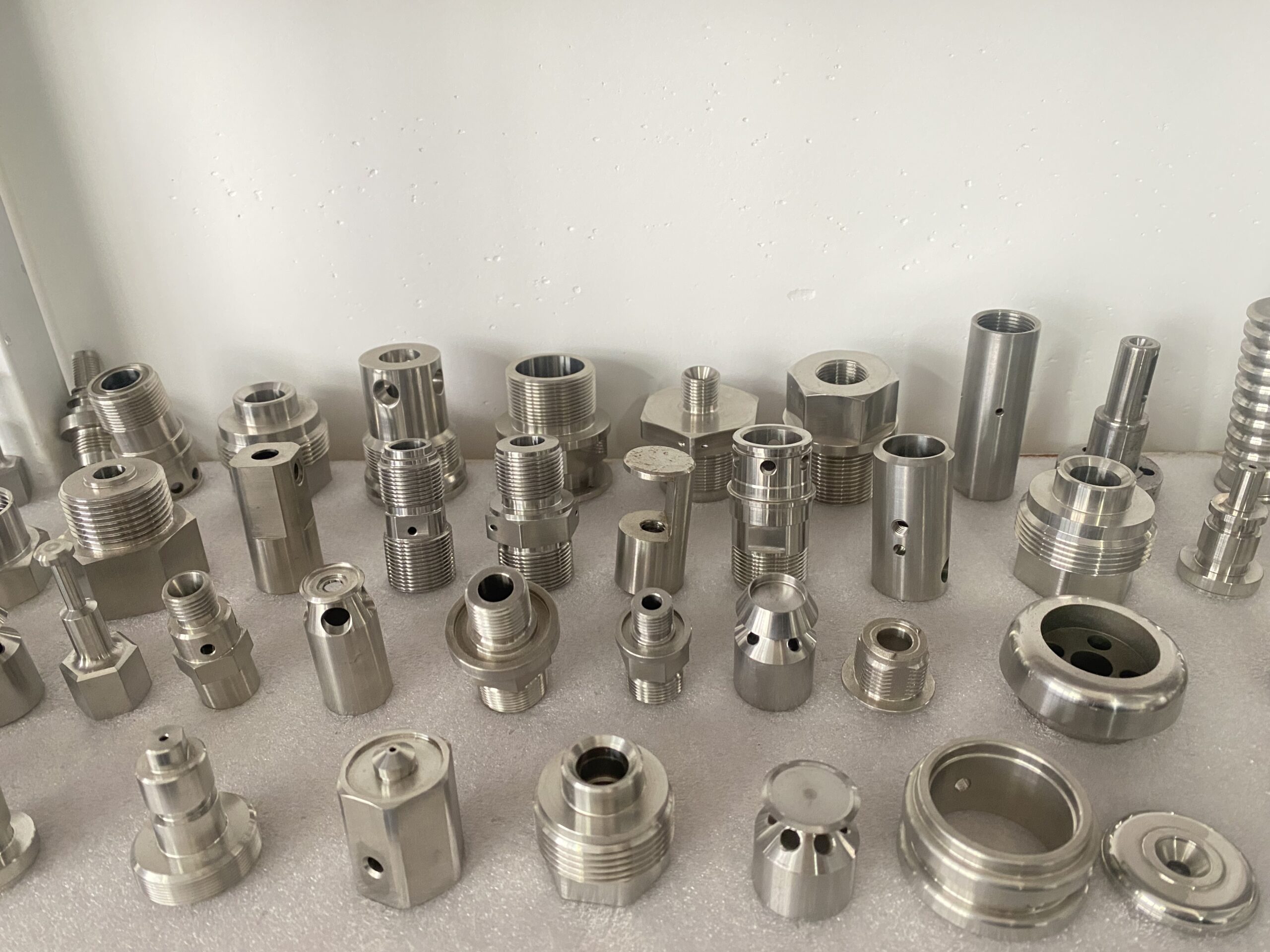
Importers often ask me for one HS code for “machine parts.” That sounds simple, but it can create duty mistakes and cost surprises.
I cannot treat “machine parts” as one universal HS code.1 I first need to know what machine the part belongs to, what job it does, and how it should be described for the importer, broker, or local customs authority.
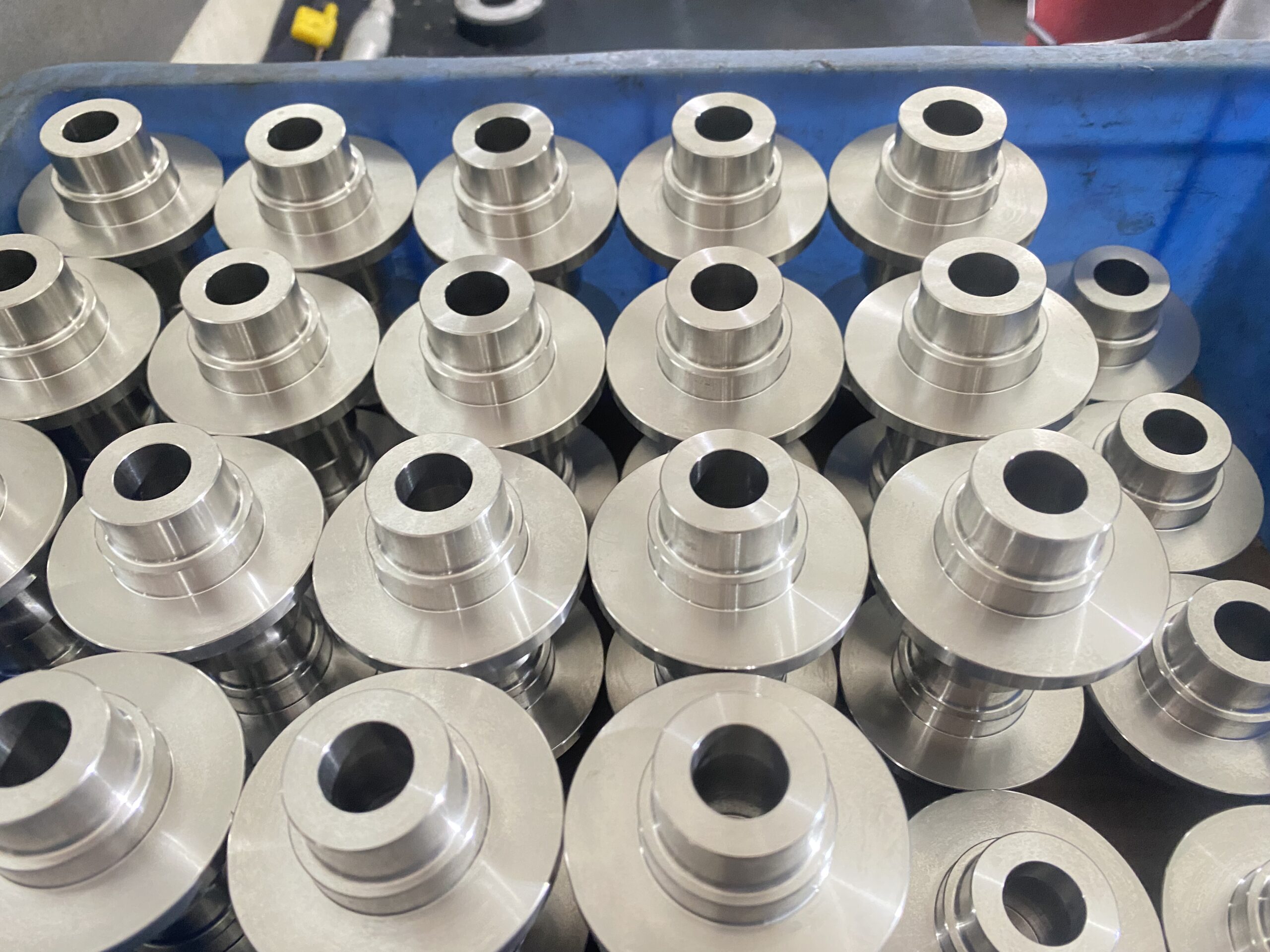
I receive this question often from overseas machinery parts importers. I understand why they ask it. They want to estimate duty, tax, and landed cost2 before they place an order. I also know that a vague product name can lead to a wrong cost estimate. So I do not start with a random code. I start with the machine application. I ask what equipment uses the part, what function the part performs, and what documents can support the description. This is the practical path that helps both the buyer and the customs broker keep the classification work clear.
Why can’t I give one HS code for all machine parts?
Many buyers use the words “machine parts” because the part looks simple. That phrase hides the real use, and it can make customs work unclear.
I cannot give one HS code for all machine parts because classification depends on the machine, the part function, and the product description. I first ask, “Parts of what machine?” Then I help prepare clear information for the importer and broker.

I treat “machine parts” as a starting point, not a final description
When I hear “machine parts,” I see a category that is too wide. A shaft for agricultural equipment, a bracket for automation equipment, and a housing for medical equipment may all be called machine parts. But they do not serve the same machine. They also may not be reviewed in the same way by customs in the destination country.
I usually explain this with a simple table when I speak with a buyer.
| Buyer says | I need to know | Why it matters |
|---|---|---|
| Machine part | Part of what machine? | The machine application guides classification3 |
| Steel part | What function does it perform? | Material alone is not enough4 |
| CNC part | What is the final use? | Process does not decide the HS code5 |
| Spare part | Is it only for one machine? | Specific use can support a clearer description |
I produce CNC machined parts, cast parts, forged parts, stamped parts, and injection molded parts. I know the process well. But I do not use only the process to describe the part for import. I use the end application first. If I only write “CNC steel part,” I leave the broker with too little information. If I write “machined drive shaft for agricultural harvesting machine,” I give a much clearer starting point.
What information should I collect before asking for an HS code?
Some importers ask for the HS code first. I think that order is risky because the answer depends on facts that may not be ready yet.
I collect the product name, machine application, function, drawing, photo, material, process, size, and end use before discussing an HS code.6 This information helps the importer and customs broker review the part in a more accurate way.
I build the description from the real use
I usually start with a short question: “Where will this part be installed?” That question sounds basic, but it changes the whole discussion. A metal bracket can be used in automation equipment, automotive assemblies, agricultural machines, or energy equipment. The material may be the same. The shape may be similar. But the machine application may be different.
I like to organize the information in a simple checklist.
| Information item | Example detail | My reason for asking |
|---|---|---|
| Product name | Gear housing, shaft, bracket, flange | I need a normal trade name |
| Machine application | Packaging machine, tractor, pump, robot arm | I need the machine context |
| Function | Supports, rotates, seals, connects, drives | I need to show what the part does |
| Material | Stainless steel, ductile iron, aluminum | I need to support the description |
| Process | CNC machining, casting, stamping | I need to explain how it is made |
| Drawing or photo | 2D drawing, 3D file, product photo | I need proof and detail |
| Specification | Size, tolerance, surface treatment | I need to avoid vague wording |
I have seen buyers send only one picture and ask for a code. I can help identify the part if I have experience with that type of equipment. But I still need the buyer to confirm the machine use. I do not want to guess. A wrong guess can cause wrong duty planning. It can also delay customs clearance.7
Why does the machine application matter more than the material?
Many buyers first tell me the material because they think customs will mainly look at metal type. That can be useful, but it is not enough.
I use material as supporting information, not the main classification point. For machine parts, I first look at the machine application and the function. Then I add material, process, and specifications to support a clear product description.
I do not classify a part only as steel, aluminum, or iron
I understand why material feels important. I manufacture parts from alloy steel, carbon steel, stainless steel, gray iron, ductile iron, brass, copper, aluminum, zinc, and plastics. Material affects price, strength, weight, corrosion resistance, and production process. It also matters for documents. But material alone does not tell the full trade identity of the product.
For example, I may produce two similar aluminum housings. One housing may be used in automation equipment. Another housing may be used in automotive equipment. A basic material description would make both sound the same. A machine-based description makes them different.
| Weak description | Stronger description |
|---|---|
| Aluminum part | Aluminum machined housing for automation equipment |
| Steel shaft | Alloy steel drive shaft for agricultural machinery |
| Cast iron part | Ductile iron pump body for industrial equipment |
| Plastic component | Injection molded cover for medical equipment |
I try to make the description strong enough for business use and customs review. I do not make legal conclusions for every country. I only prepare the facts that the importer, broker, and local authority need. This also helps the buyer compare suppliers more fairly. If one supplier writes “metal part” and another writes a full machine application, the landed cost estimate may not be based on the same product understanding.
How can a better description reduce landed-cost uncertainty?
Importers ask me for HS codes because they want cost control. If the description is weak, the duty estimate may look clear but still be wrong.
I help reduce landed-cost uncertainty by preparing a clear product description. A clear description helps the importer and broker review duty, tax, and import rules before shipment.8 It also reduces confusion during customs clearance.
I see HS code questions as cost planning questions
When a buyer asks, “What is the HS code?” I often hear a deeper question. The buyer is really asking, “What will this part cost after import?” That is a practical question. The buyer may need to quote a customer, build a wholesale price, or compare suppliers from different countries.
I cannot control the duty rate in the buyer’s country. I also cannot replace the buyer’s customs broker. But I can reduce the chance that the product is described too loosely. This is important because unclear descriptions can create wrong assumptions.
| Cost planning need | How a clear description helps |
|---|---|
| Duty estimate | The broker can review the product with better facts |
| Tax estimate | The importer can build a more complete landed cost |
| Freight planning | Weight, size, and packing details become clearer |
| Risk review | The importer can check special import rules earlier |
| Customer quotation | The wholesaler can quote with more confidence |
I have handled orders for customers in many countries. I learned that importers do not ask HS code questions only for paperwork. They ask because a small duty difference can change a buying decision.9 They also ask because they want to avoid customs delay. So I treat the HS code discussion as part of early project communication, not as an afterthought before shipping.
What can I provide as the supplier, and what should the importer confirm locally?
Some buyers expect the supplier to give the final HS code. I understand the pressure, but I do not think that is the safest way.
I can provide product facts, drawings, photos, material details, process details, and machine application notes. The importer or customs broker should confirm the final HS code under local import rules in the destination country.10
I support the classification process without pretending to be the final authority
As a precision machinery parts supplier, I know how the part is made. I know the drawing, tolerance, process, and quality control points. I also ask the buyer about the final machine use because that part may be outside my factory view if I only see the component drawing. This is why I can help organize the classification inputs.
But I am not the final customs authority in the buyer’s country. I am also not the local customs broker. Different countries may review the same product with their own import rules, notes, and practices.11 So I avoid saying, “This is definitely the final code everywhere.” That kind of promise is not responsible.
| My supplier role | Importer or broker role |
|---|---|
| I provide accurate product name | They confirm local classification |
| I explain machine application if known | They check destination country rules |
| I provide drawings and photos | They compare the details with customs guidance |
| I provide material and process details | They review duty, tax, and restrictions |
| I update invoices and packing documents with clear descriptions | They submit import documents locally |
This split of work protects both sides. I give strong technical facts. The buyer gets local confirmation. The broker has better information. The result is usually a smoother import process.
How do I normally answer an importer who asks for the HS code?
A short answer can look helpful, but it may hide the main facts. I prefer a clear process that saves trouble later.
I normally answer by asking for the machine application first. Then I collect product details and prepare a clear description. After that, I suggest that the importer confirm the final HS code with the local broker.
I use a simple message that keeps the work practical
When I reply to a buyer, I try to avoid long customs language. I keep the message direct. I may write something like this:
I can help provide the product description and technical details for HS code review. Please confirm what machine this part is used on, what function it performs, and whether you have a drawing or photo. The final import HS code should be confirmed by your local customs broker or authority.
This answer does three things. First, it corrects the idea that “machine parts” has one simple code. Second, it moves the discussion to useful facts. Third, it keeps the final decision in the right place.
I also ask for a few basic details.
| My question | What I want to avoid |
|---|---|
| What machine uses this part? | A generic “machine part” description |
| What is the part function? | Confusing similar shapes with different uses |
| Can you share a drawing or photo? | Guessing from a product name only |
| What material and process are required? | Missing key manufacturing facts |
| What country will import the goods? | Ignoring local import review |
I have found that serious buyers appreciate this method. It helps them prepare for duty and tax estimates. It also shows that I take documentation seriously. I would rather spend ten minutes clarifying the part before quotation than face confusion during customs clearance.
What product description should I put on commercial documents?
Some problems start when the quotation looks clear, but the invoice uses a vague name. I try to keep the description consistent from inquiry to shipment.
I put a practical product description on commercial documents, including the product name, machine application, material, and process when needed. I avoid vague words like “parts” if a clearer description is available.
I keep the invoice description close to the real product
A commercial invoice is not just a price document. It is also one of the documents that customs may review.12 If the invoice says only “machine parts,” the broker may need more information. If the invoice says “CNC machined stainless steel shaft for packaging machine,” the description is more useful.
I do not overload the document with every technical detail. I choose the details that help identify the product. The drawing and specification can support the invoice if more detail is needed.
| Too vague | More useful |
|---|---|
| Parts | CNC machined bracket for automation equipment |
| Metal component | Carbon steel connector for agricultural machinery |
| Casting | Ductile iron casting housing for industrial pump |
| Plastic part | Injection molded cover for medical device equipment |
| Shaft | Ground alloy steel shaft for machinery transmission assembly |
I also try to match the description across the quotation, packing list, invoice, and product label when possible. This consistency helps the importer. It also reduces back-and-forth with the broker. If the buyer has a preferred local description after broker review, I can often adjust the commercial document wording to match the confirmed import description, as long as it remains accurate and honest.
Conclusion
I do not search for one code for “machine parts.” I first clarify the machine, function, and description so the importer can confirm locally.
"Harmonized System (HS) Codes - International Trade Administration", https://www.trade.gov/harmonized-system-hs-codes. The World Customs Organization’s Harmonized System framework and General Rules for Interpretation support that tariff classification is determined by the legal terms of headings and relevant section or chapter notes, not by a generic trade description such as “machine parts.” Evidence role: expert_consensus; source type: institution. Supports: The Harmonized System classifies goods according to legal headings, notes, and objective product characteristics rather than a broad commercial phrase such as machine parts.. Scope note: This supports the general classification principle; it does not determine the correct code for any specific part. ↩
"Determining Duty Rates - U.S. Customs and Border Protection", https://www.cbp.gov/trade/programs-administration/determining-duty-rates. International trade institutions describe the Harmonized System as the basis for customs tariffs and trade statistics, supporting its use in determining applicable duty rates for landed-cost calculations. Evidence role: definition; source type: institution. Supports: HS classifications are used by customs administrations and tariff schedules to identify goods and apply duty rates, which feed into landed-cost estimates.. Scope note: This supports duty estimation directly; taxes and other landed-cost components may also depend on national tax rules, freight, insurance, and fees. ↩
"[PDF] HTS CHAPTER 84 MACHINERY AND MECHANICAL APPLIANCES", https://www.usitc.gov/publications/docs/tata/hts/bychapter/1000c84.pdf. Section XVI Note 2 of Harmonized System-based tariff schedules provides a legal mechanism for classifying many machinery parts by reference to the machines with which they are solely or principally used. Evidence role: mechanism; source type: government. Supports: Tariff schedules derived from the Harmonized System include legal notes for machinery parts that consider whether parts are suitable for use solely or principally with particular machines or groups of machines.. Scope note: The note applies within its scope and subject to exclusions and more specific provisions; it is not a universal rule for every part. ↩
"[PDF] The General Rules for the Interpretation of the Harmonized ...", https://scholar.smu.edu/cgi/viewcontent.cgi?article=1700&context=til. Customs classification guidance based on the Harmonized System indicates that classification turns on the legal headings, section and chapter notes, and the objective characteristics of the article, so material composition is only one possible classification factor. Evidence role: general_support; source type: government. Supports: Customs classification generally depends on the applicable legal text and the product’s objective characteristics, which may include material but are not limited to material.. Scope note: Some headings are material-based, so the source supports the general caution rather than excluding material as a decisive factor in all cases. ↩
"Harmonized System (HS) Codes - International Trade Administration", https://www.trade.gov/harmonized-system-hs-codes. Government customs classification guidance commonly applies the Harmonized System by examining the article as imported under the legal tariff text, indicating that manufacturing process is not independently determinative unless a heading or note makes it relevant. Evidence role: mechanism; source type: government. Supports: HS classification is generally based on the legal description and characteristics of the goods rather than the production process unless the tariff provision makes process relevant.. Scope note: This is contextual support because some tariff headings or notes do incorporate process, condition, or stage of manufacture. ↩
"Requirements for Electronic Ruling Requests", https://www.cbp.gov/trade/rulings/eruling-requirements. Customs ruling procedures, such as binding tariff information or classification ruling requests, require detailed product facts including description, composition, use, and technical documentation, supporting the need to gather such information before classification review. Evidence role: general_support; source type: government. Supports: Customs authorities commonly request detailed descriptions, composition, principal use, technical information, and supporting materials when issuing classification guidance or rulings.. Scope note: The exact required information varies by authority and product type. ↩
"Penalties Program | U.S. Customs and Border Protection", https://www.cbp.gov/trade/programs-administration/penalties. Customs compliance guidance from national authorities states that incorrect commodity classification or inadequate entry information can affect duty assessment and may lead to corrections, inquiries, delays, or enforcement consequences. Evidence role: general_support; source type: government. Supports: Incorrect classification or incomplete import documentation can affect duty calculation and may result in customs queries, holds, corrections, or penalties.. Scope note: The source would support the general risk; actual delay depends on the importing country, shipment facts, and customs review. ↩
"Informed Compliance Publications | U.S. Customs and Border ...", https://www.cbp.gov/trade/rulings/informed-compliance-publications. Government customs guidance on import documentation requires clear and accurate descriptions of goods, supporting the role of detailed descriptions in classification and pre-shipment review of duties and import requirements. Evidence role: general_support; source type: government. Supports: Accurate and specific product descriptions on import documents support customs classification and review of applicable import requirements.. Scope note: The source supports the documentation principle; it does not guarantee that all duties or import controls can be resolved before shipment. ↩
"Tracking the Economic Effects of Tariffs | The Budget Lab", https://budgetlab.yale.edu/research/tracking-economic-effects-tariffs. Empirical studies in international trade find that tariff changes affect import prices, trade volumes, and sourcing behavior, providing economic support for the claim that duty-rate differences can influence buying decisions. Evidence role: expert_consensus; source type: paper. Supports: Empirical trade research shows that tariffs affect import prices, trade volumes, or firm sourcing decisions, making duty differences relevant to purchasing choices.. Scope note: This is contextual evidence; the size of the effect varies by product, market power, substitution options, and contract terms. ↩
"[PDF] Tariff Classification - U.S. Customs and Border Protection", https://www.cbp.gov/sites/default/files/documents/icp017r2_3.pdf. National customs guidance generally assigns responsibility for accurate import declarations and tariff classification to the importer or declarant, supporting the practice of confirming the final HS code under destination-country rules. Evidence role: general_support; source type: government. Supports: Customs authorities place responsibility for accurate import declarations, including classification, on the importer or declarant, often with assistance from licensed brokers.. Scope note: Responsibility rules differ by jurisdiction and by whether a broker, agent, or declarant is legally appointed. ↩
"Harmonized Tariff Schedule of the United States - Wikipedia", https://en.wikipedia.org/wiki/Harmonized_Tariff_Schedule_of_the_United_States. The Harmonized System is internationally standardized at the heading and subheading level, while individual countries may add national tariff-line digits and apply domestic import measures, supporting the need for destination-country review. Evidence role: definition; source type: institution. Supports: The Harmonized System provides an international nomenclature, while countries may add national subdivisions and apply their own tariff and import measures.. ↩
"What value should be on the commercial invoice submitted to U.S. ...", https://www.help.cbp.gov/s/article/Article-1162?language=en_US. Government customs guidance identifies the commercial invoice as a key import document containing information such as goods description, value, and parties to the transaction, which customs may use during clearance review. Evidence role: definition; source type: government. Supports: Commercial invoices are standard customs documents used to identify goods, value, origin, parties, and other information needed for import clearance.. ↩
Leave a Reply